
Theme Tasks catalog
How to manage time
• You will learn which tool helps to measure time;
• You will find out what clocks people used long ago;
• You will learn to tell time on a clock;
• You will think about what people use to know the time;
• You will learn what to do to finish everything on time.
• You will find out what clocks people used long ago;
• You will learn to tell time on a clock;
• You will think about what people use to know the time;
• You will learn what to do to finish everything on time.
1
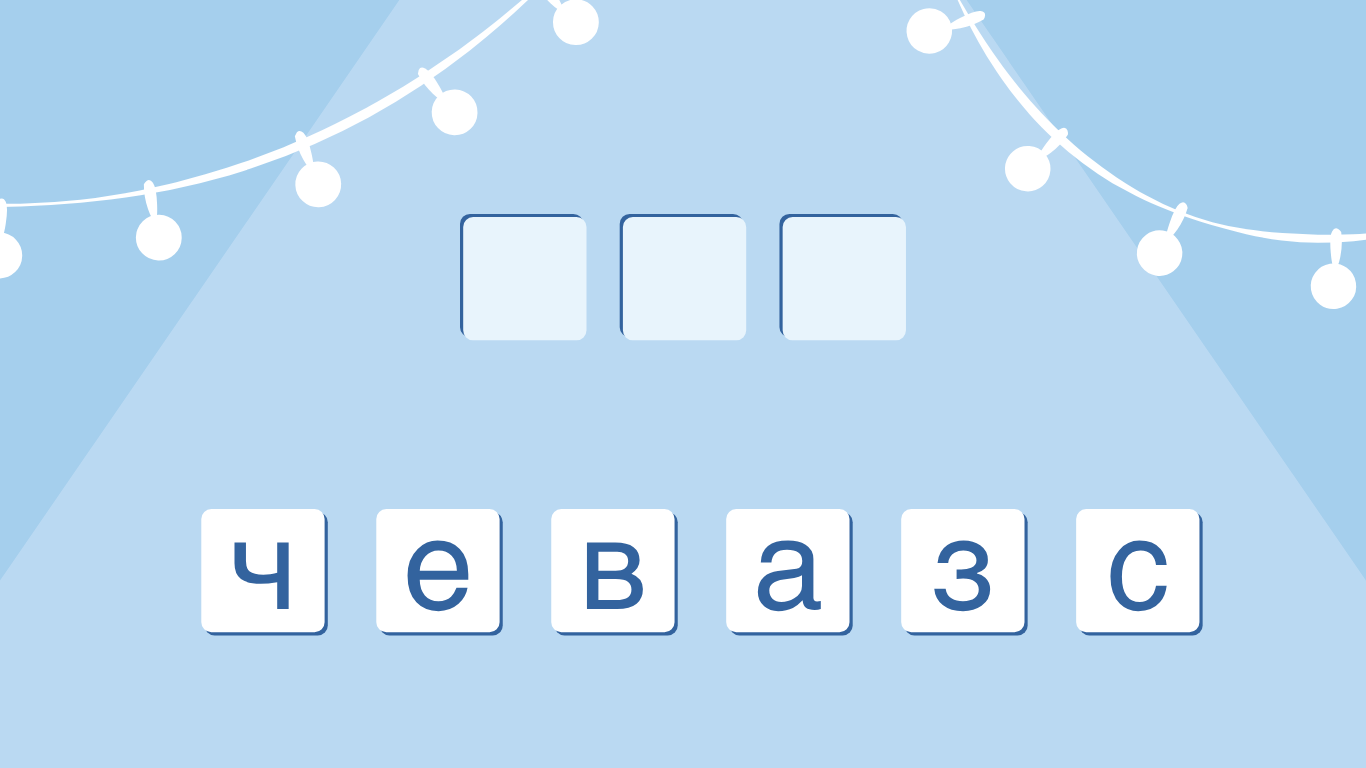
Make the word "time".
Choose the right letters.
Make the word "time".
Choose the right letters.
2
Time is an important part of our life.
People learned to measure time with a clock.
A clock has a face with numbers and marks around the circle,
an hour hand and a minute hand.
Some clocks also have a second hand.
But every clock needs a special mechanism that makes the hands move.
Remember!
The units for measuring time are hour, day, week, month, season, year!
Time is an important part of our life.
People learned to measure time with a clock.
A clock has a face with numbers and marks around the circle,
an hour hand and a minute hand.
Some clocks also have a second hand.
But every clock needs a special mechanism that makes the hands move.
Remember!
The units for measuring time are hour, day, week, month, season, year!

3
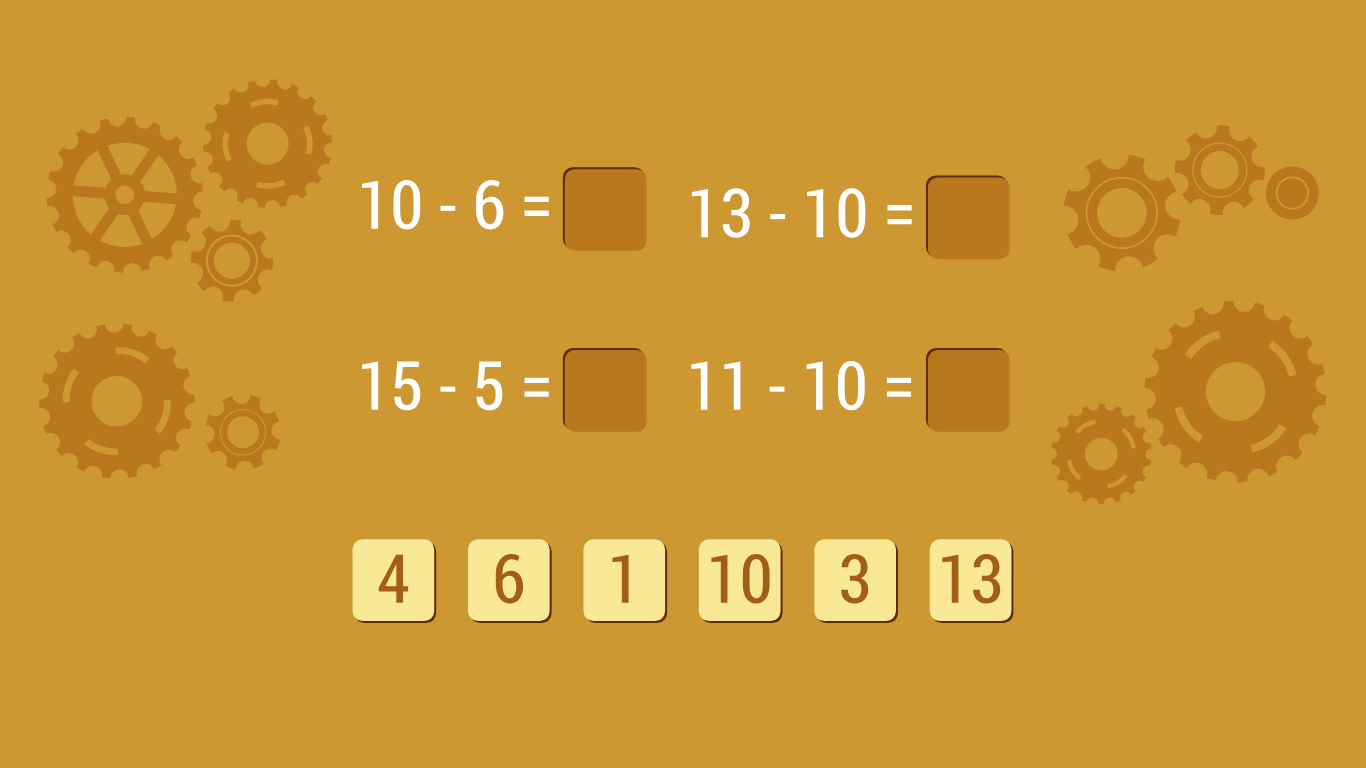
Help the master build a clock.
Match the results of the calculations to the right records.
Help the master build a clock.
Match the results of the calculations to the right records.
4
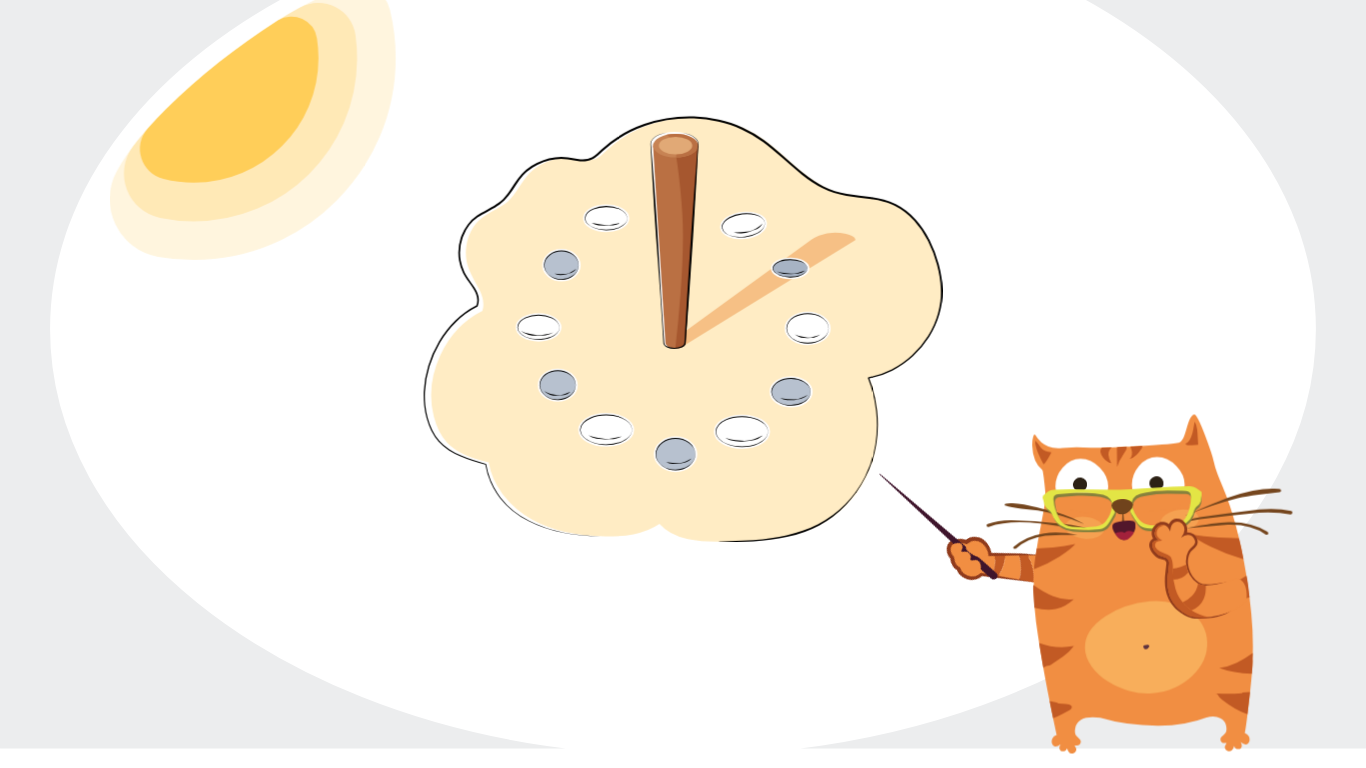
Long ago, people used different clocks.
This is a sundial,
an hourglass,
a water clock,
a flower clock.
These are mechanical clocks.
And these are electronic clocks.
Long ago, people used different clocks.
This is a sundial,
an hourglass,
a water clock,
a flower clock.
These are mechanical clocks.
And these are electronic clocks.
5
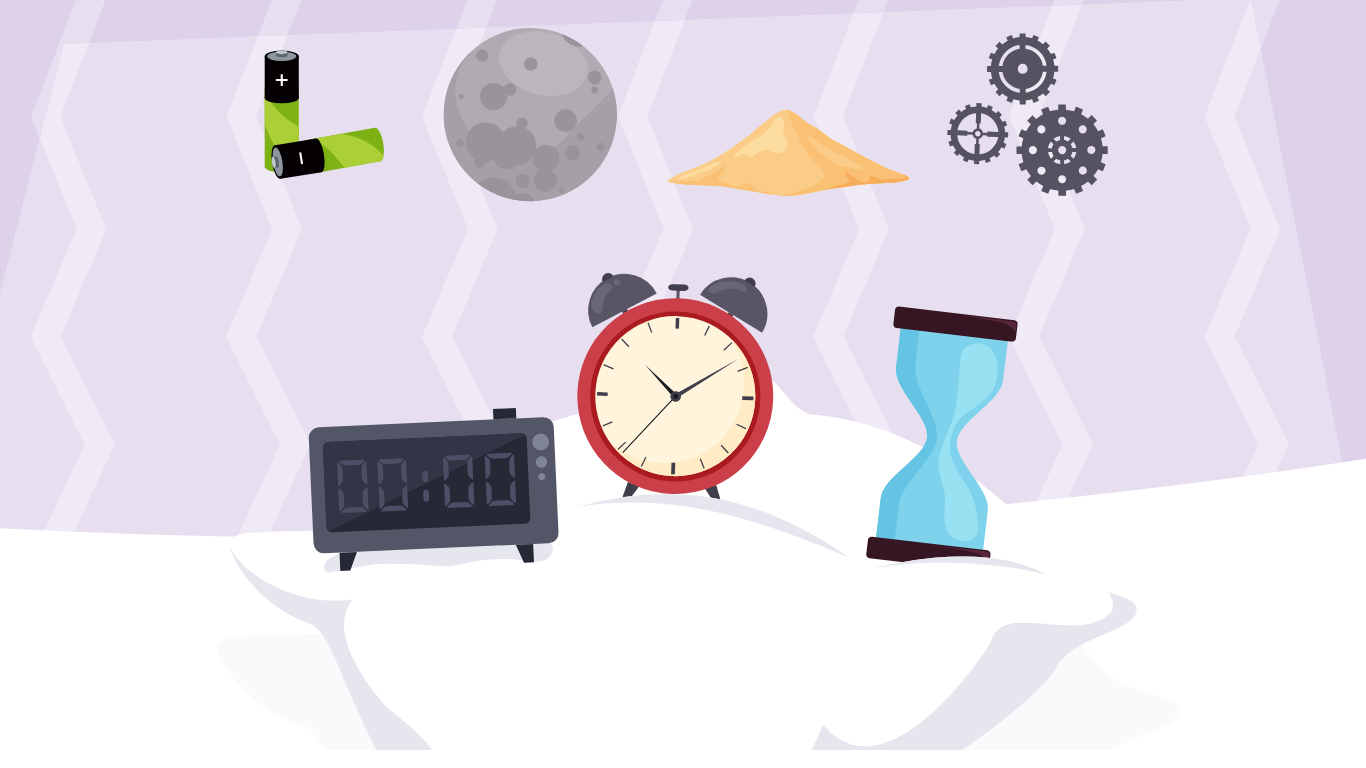
First, choose a clock, then choose what makes it work.
First, choose a clock, then choose what makes it work.
6
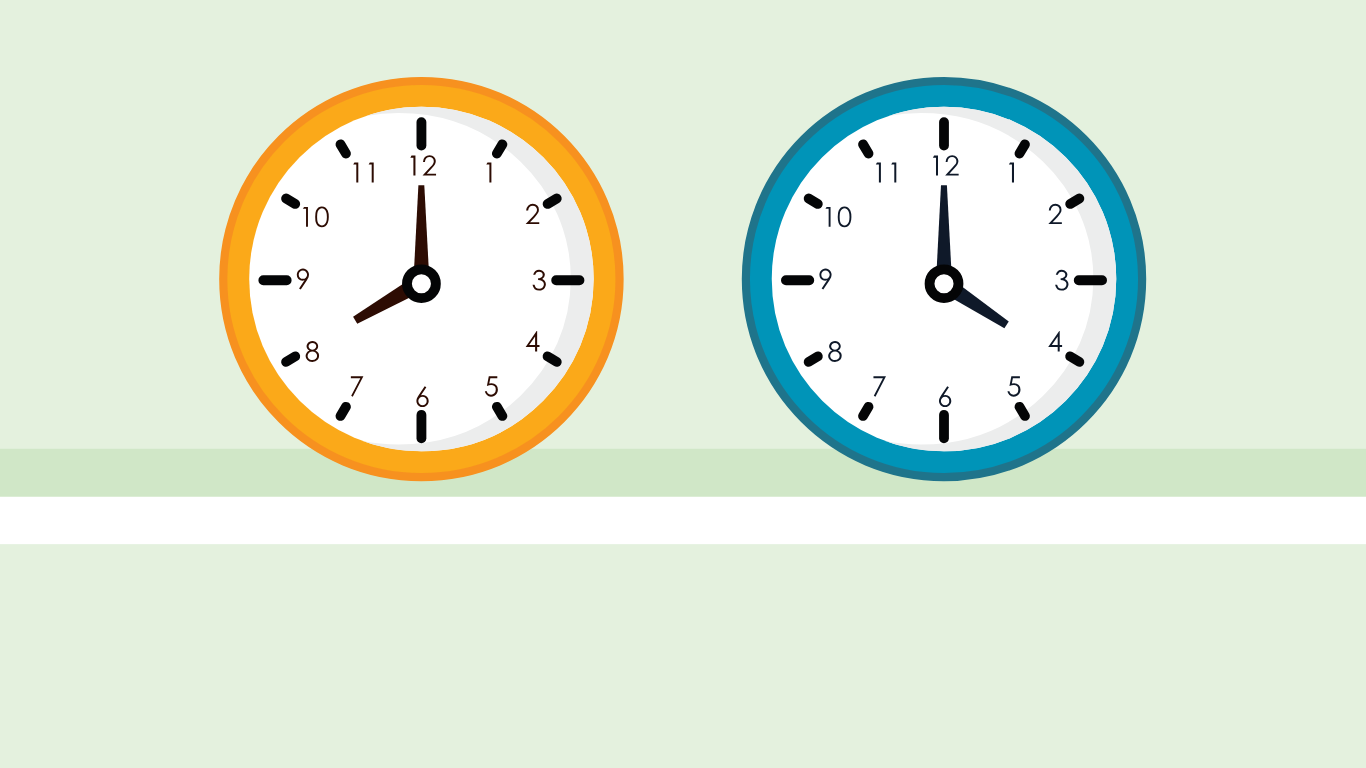
Choose the clock that shows eight o'clock.
Choose the clock that shows eight o'clock.
7
Listen to the problem.
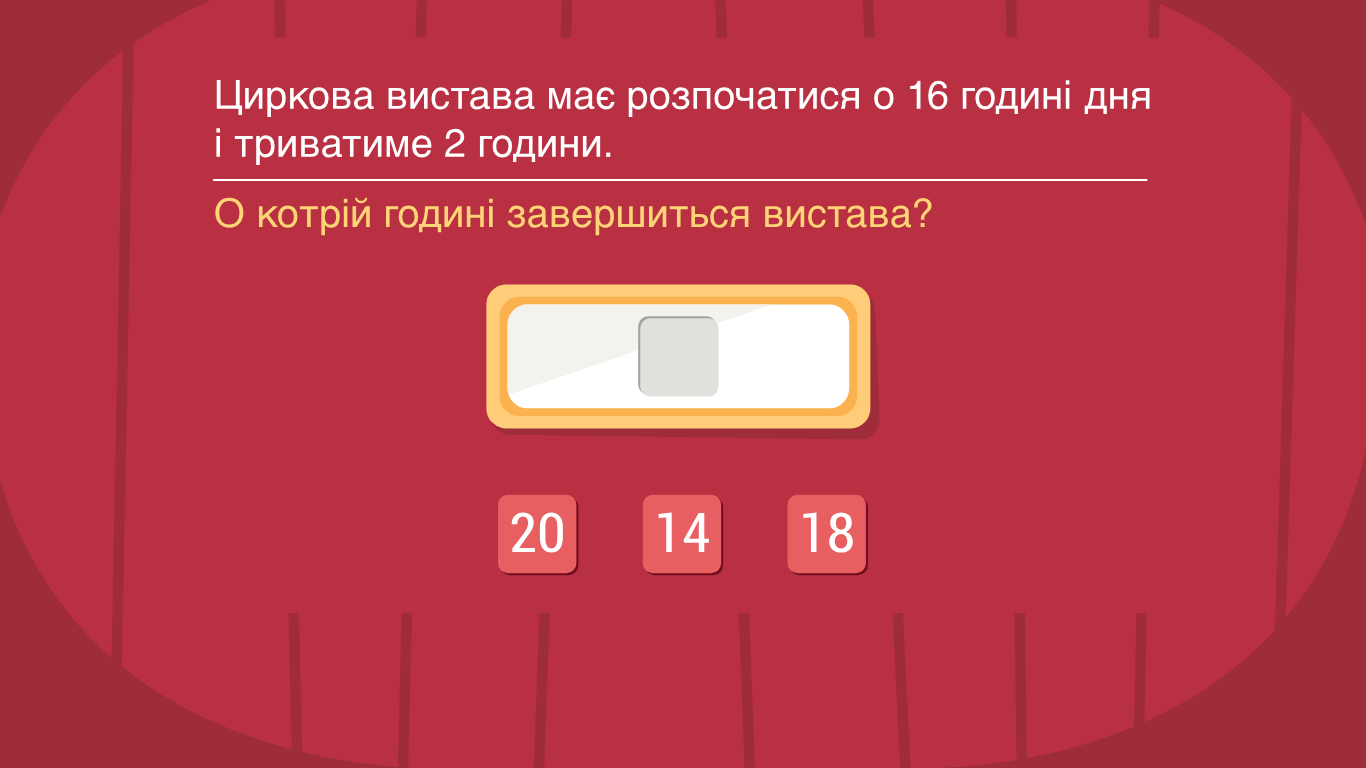
The circus show will start at 16 o'clock and will last 2 hours.
At what time will the show end?
Move the right number to the electronic clock.
Listen to the problem.
The circus show will start at 16 o'clock and will last 2 hours.
At what time will the show end?
Move the right number to the electronic clock.
8
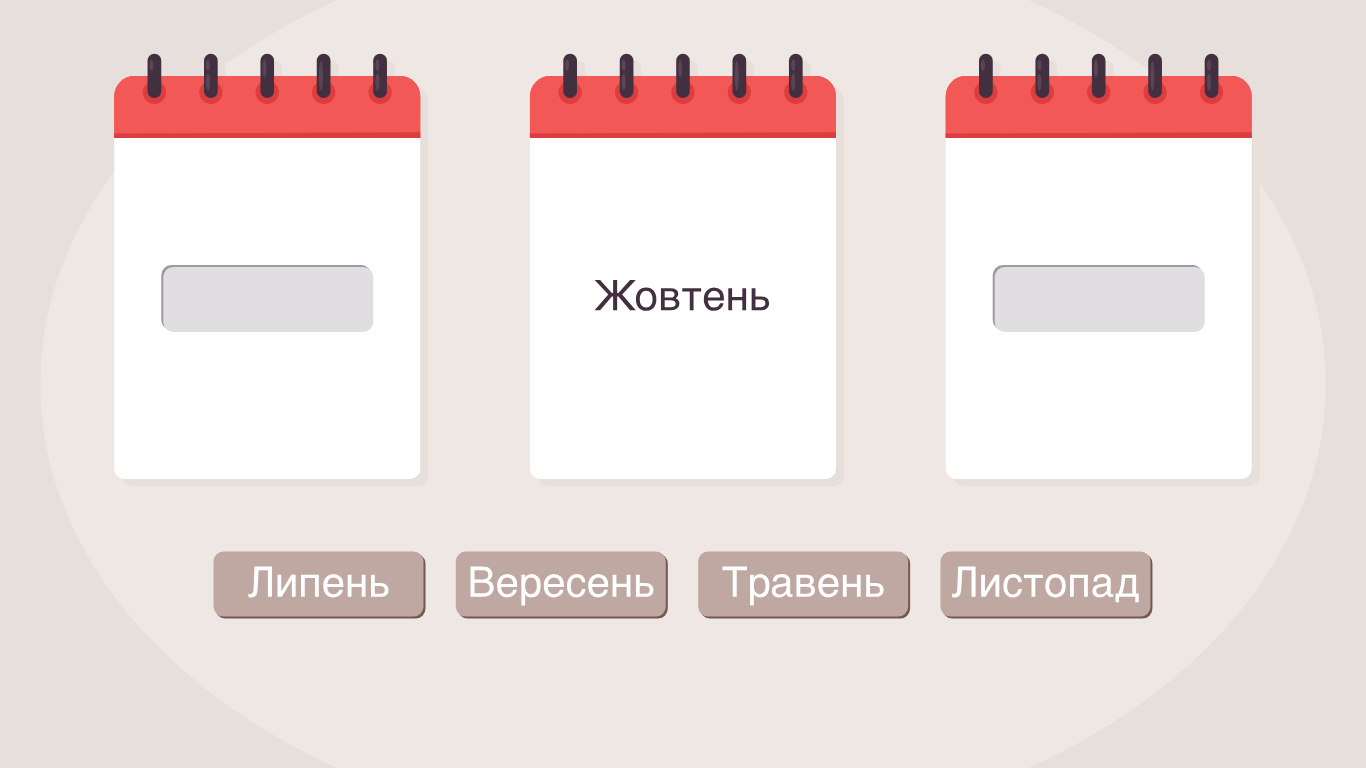
Move the names of the autumn months to the calendar.
Move the names of the autumn months to the calendar.
9
To know the time, people use a calendar.
With it, you know what year, month, and day it is today.
Pay attention!
A year has 12 months that follow one after another.
A month is made of weeks.
A week has seven days.
Usually, weekends—Saturday and Sunday—and holidays are marked in a different color in the calendar.
To know the time, people use a calendar.
With it, you know what year, month, and day it is today.
Pay attention!
A year has 12 months that follow one after another.
A month is made of weeks.
A week has seven days.
Usually, weekends—Saturday and Sunday—and holidays are marked in a different color in the calendar.
10
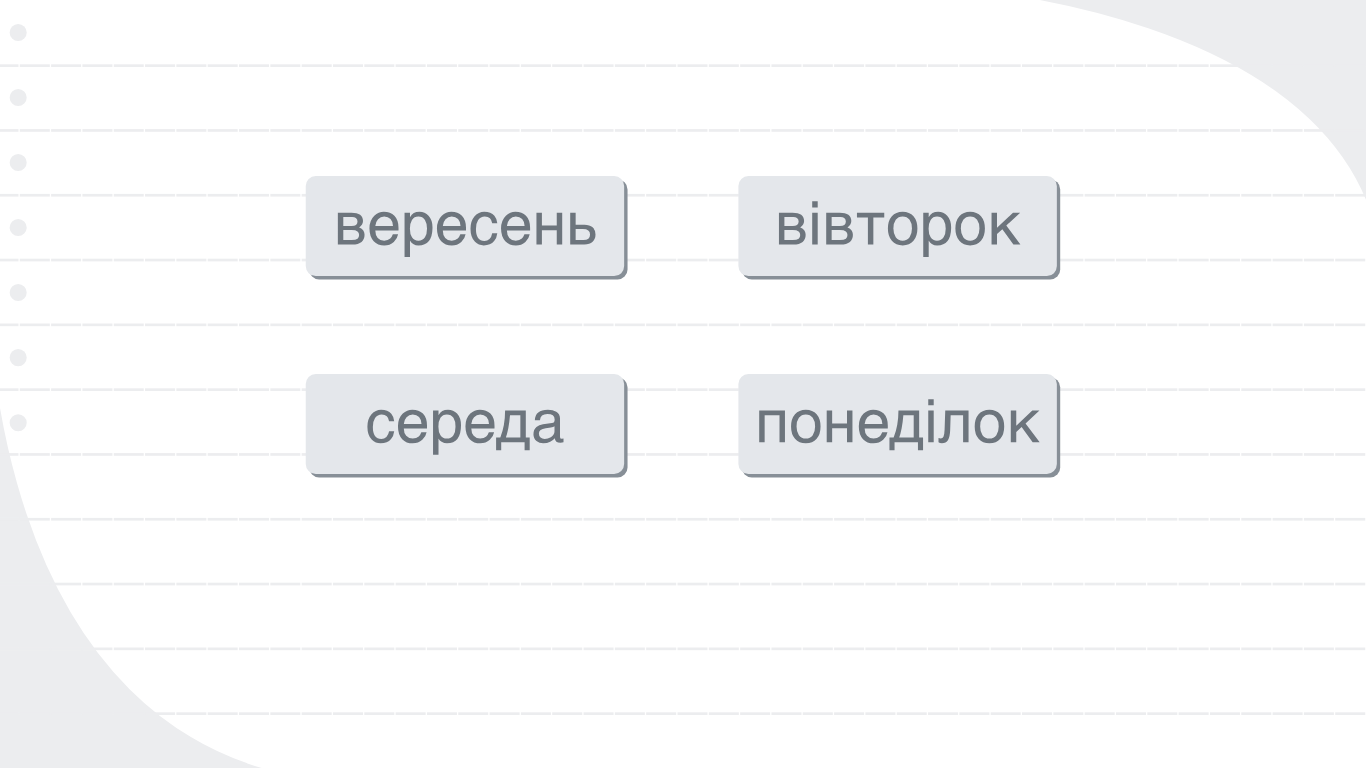
Think, which words do not belong?
Choose them.
Think, which words do not belong?
Choose them.
11
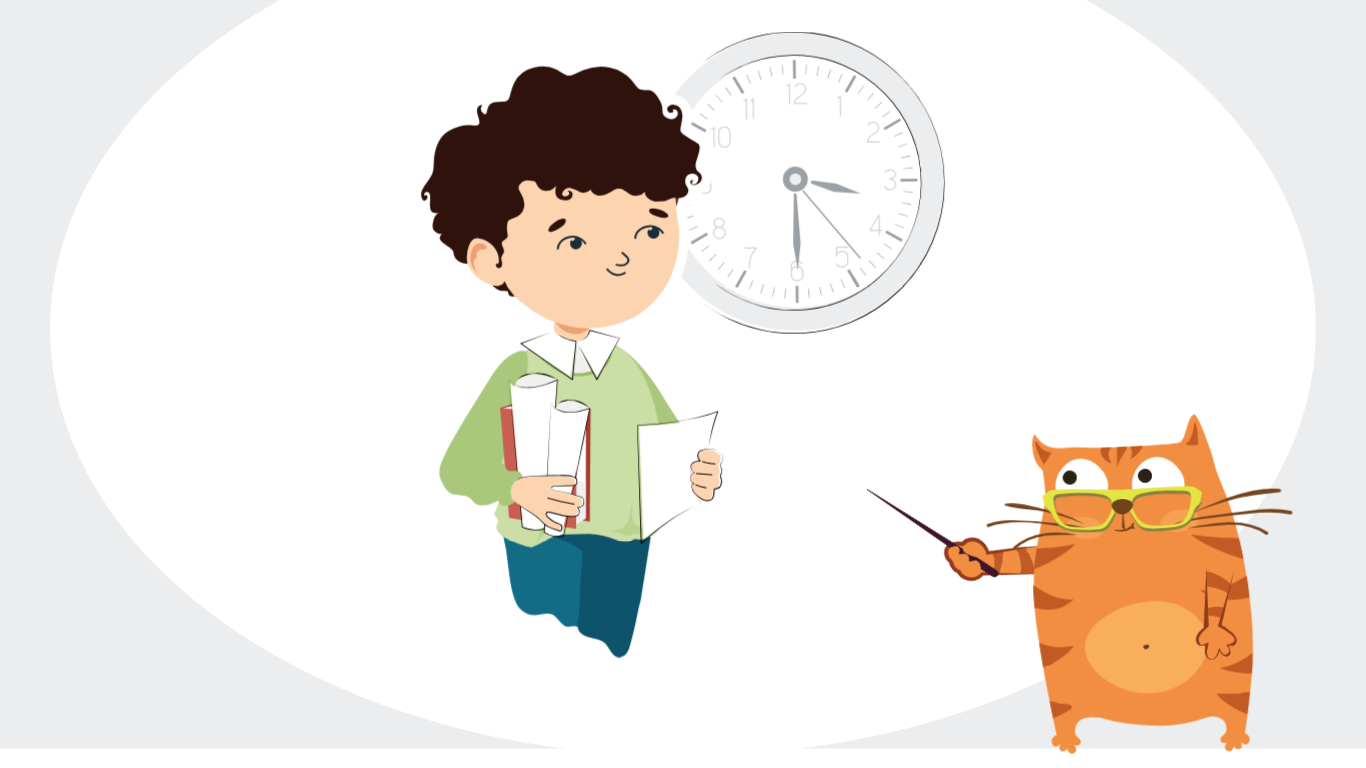
Every day you have many things to do.
To finish them all, you need to learn to manage your time,
that is, plan your day and do everything on time.
A person who is never late and does everything on time is called punctual.
Try to follow these rules of punctuality:
Make it a habit to come on time to class and to meetings.
Do your tasks and assignments on time.
Don't be lazy!
Learn to tell which things are most important and which are less important.
Make a daily plan where you clearly set time for learning,
your free time
and for helping adults.
Every day you have many things to do.
To finish them all, you need to learn to manage your time,
that is, plan your day and do everything on time.
A person who is never late and does everything on time is called punctual.
Try to follow these rules of punctuality:
Make it a habit to come on time to class and to meetings.
Do your tasks and assignments on time.
Don't be lazy!
Learn to tell which things are most important and which are less important.
Make a daily plan where you clearly set time for learning,
your free time
and for helping adults.
12
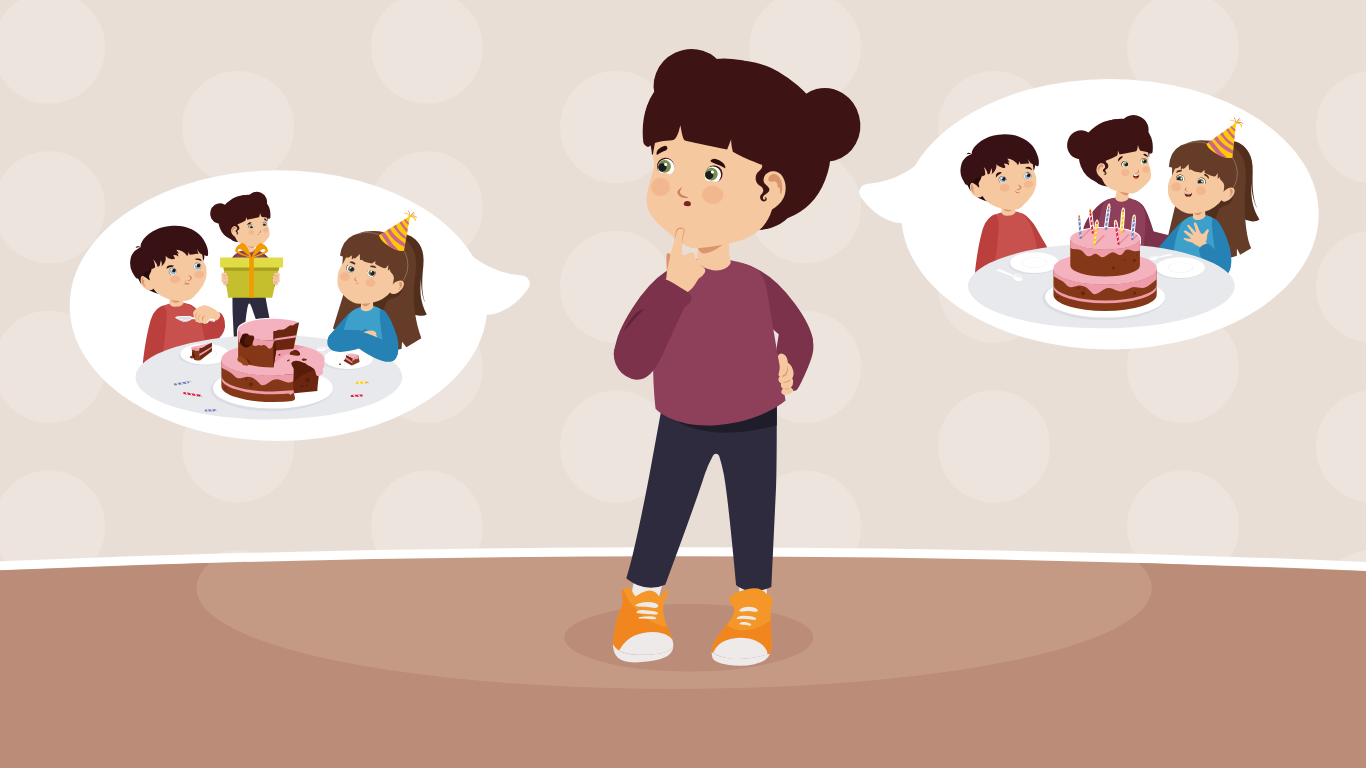
Think, in which situation was Nadiyka punctual?
Choose the right picture.
Think, in which situation was Nadiyka punctual?
Choose the right picture.
13
Choose the objects that can stop you from doing everything on time.
Choose the objects that can stop you from doing everything on time.