Theme Tasks catalog
Adding and subtracting by ones and in parts
• You will learn ways to add and subtract by ones and in parts;
• You will practice calculating expressions using ways to add and subtract by ones and in parts;
• You will improve your skills to write a short note and solve problems about increasing a number by a few units and comparing numbers by difference;
• You will practice finding true inequalities among the given ones.
• You will practice calculating expressions using ways to add and subtract by ones and in parts;
• You will improve your skills to write a short note and solve problems about increasing a number by a few units and comparing numbers by difference;
• You will practice finding true inequalities among the given ones.
1
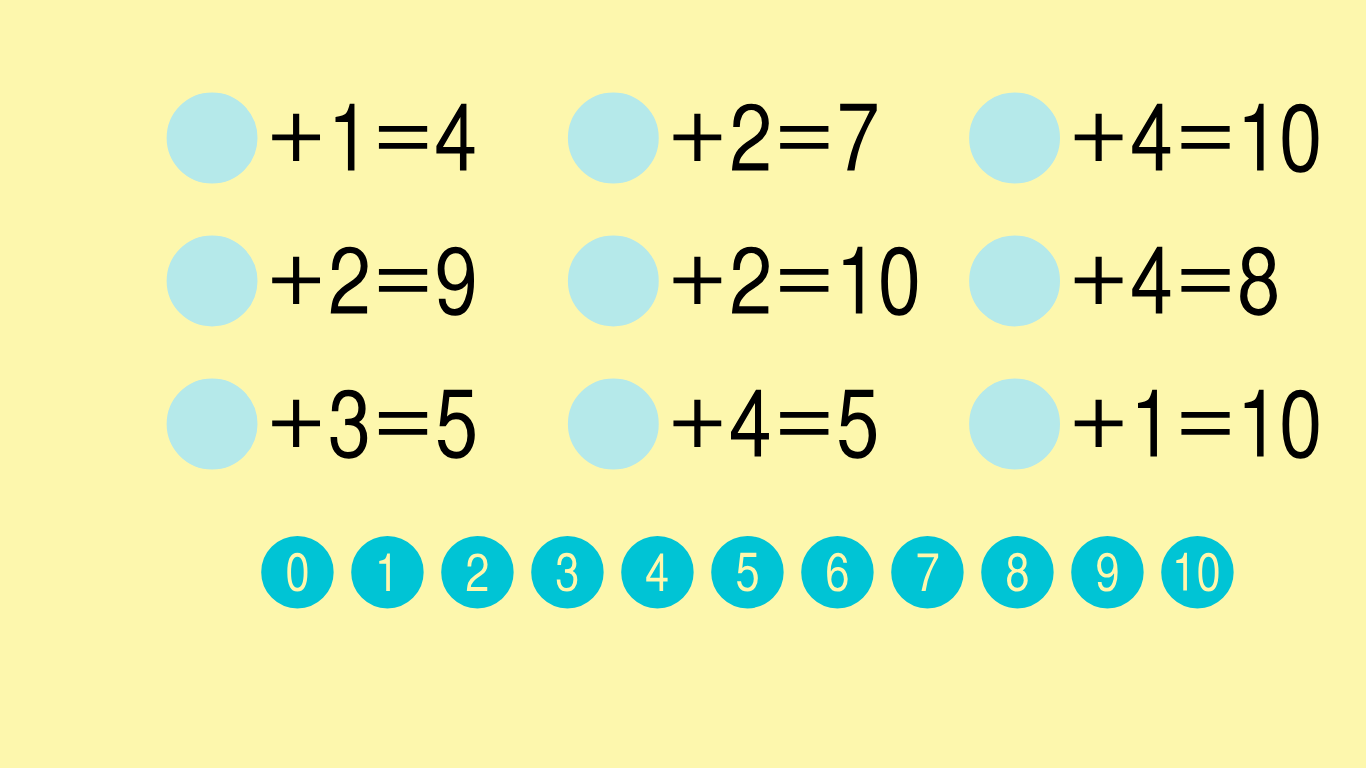
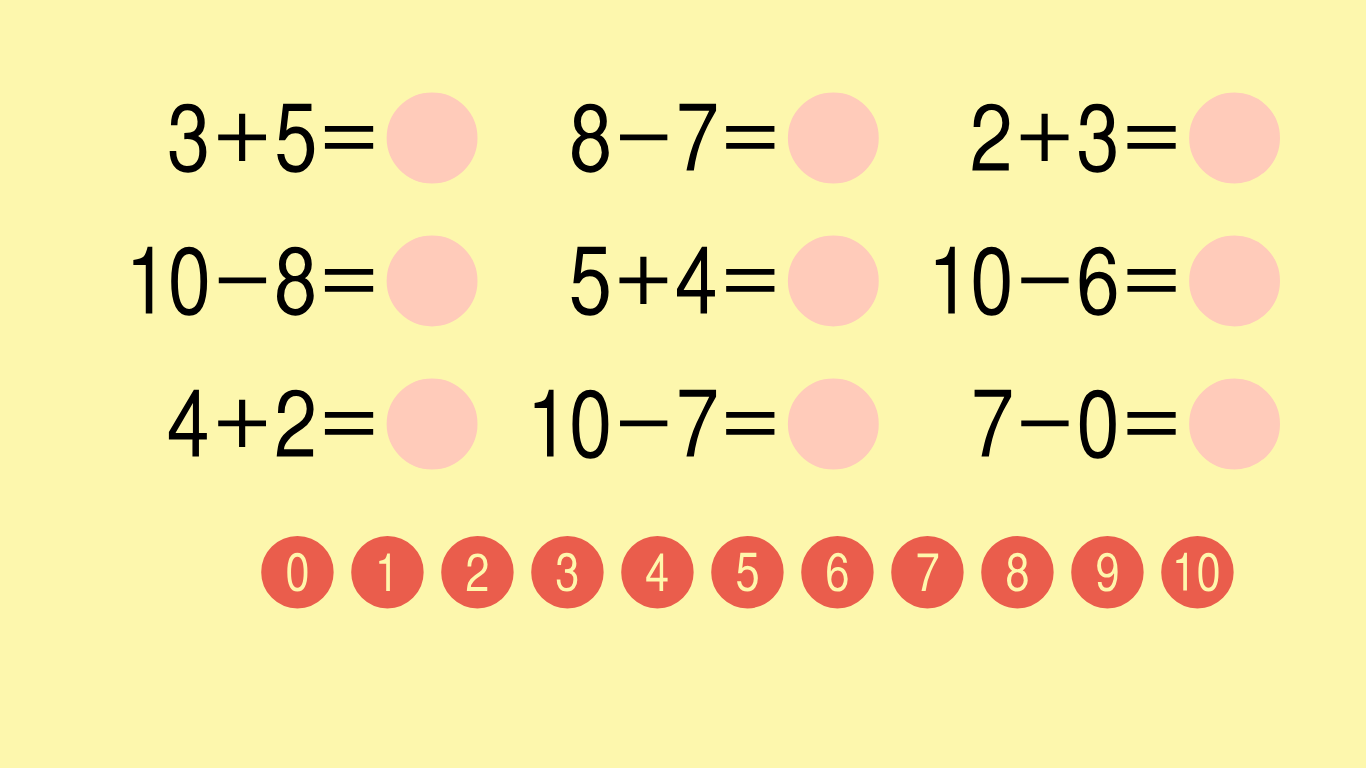
Calculate. Choose the right numbers.
Calculate. Choose the right numbers.
2
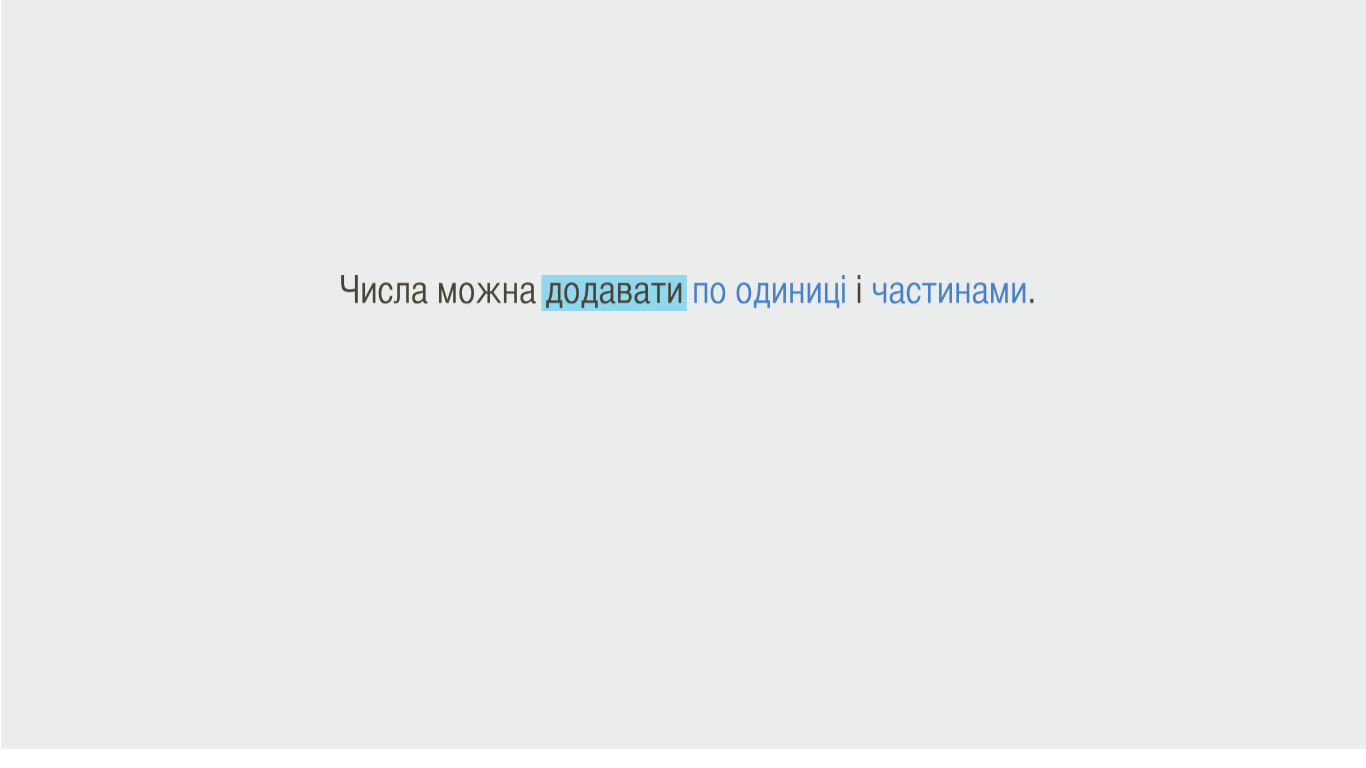
You can add numbers by ones and in parts.
For example, let's solve this problem.
Grandpa Ivan had four bags of barley.
He bought five more bags at the market.
How many bags of barley does Grandpa Ivan have now?
First way.
Grandpa Ivan paid for delivery and the seller brought five bags to his house.
Solution:
add 5 to four,
you get 9 (bags).
Answer: nine bags.
Second way.
Grandpa Ivan carried the bags home one by one.
Solution.
add 1 to four,
add 1,
add 1,
add 1,
add 1,
you get 9 (bags).
Answer: nine bags.
Third way.
Grandpa Ivan carried the bags on a sled in parts.
Solution.
Add three to four,
add two,
you get nine bags.
Answer: nine bags.
Pay attention!
When we solved the problem, we added numbers by ones and in parts.
And each time we got the same result.
Let's do the task together.
Let's calculate the expression and choose the right number.
Look at the screen.
If you add two to six, you get eight.
Add one to eight, you get nine.
So, add two to six, then add one, you get nine.
Drag the right number into the empty box.
Do the next tasks by yourself.
You can add numbers by ones and in parts.
For example, let's solve this problem.
Grandpa Ivan had four bags of barley.
He bought five more bags at the market.
How many bags of barley does Grandpa Ivan have now?
First way.
Grandpa Ivan paid for delivery and the seller brought five bags to his house.
Solution:
add 5 to four,
you get 9 (bags).
Answer: nine bags.
Second way.
Grandpa Ivan carried the bags home one by one.
Solution.
add 1 to four,
add 1,
add 1,
add 1,
add 1,
you get 9 (bags).
Answer: nine bags.
Third way.
Grandpa Ivan carried the bags on a sled in parts.
Solution.
Add three to four,
add two,
you get nine bags.
Answer: nine bags.
Pay attention!
When we solved the problem, we added numbers by ones and in parts.
And each time we got the same result.
Let's do the task together.
Let's calculate the expression and choose the right number.
Look at the screen.
If you add two to six, you get eight.
Add one to eight, you get nine.
So, add two to six, then add one, you get nine.
Drag the right number into the empty box.
Do the next tasks by yourself.
3
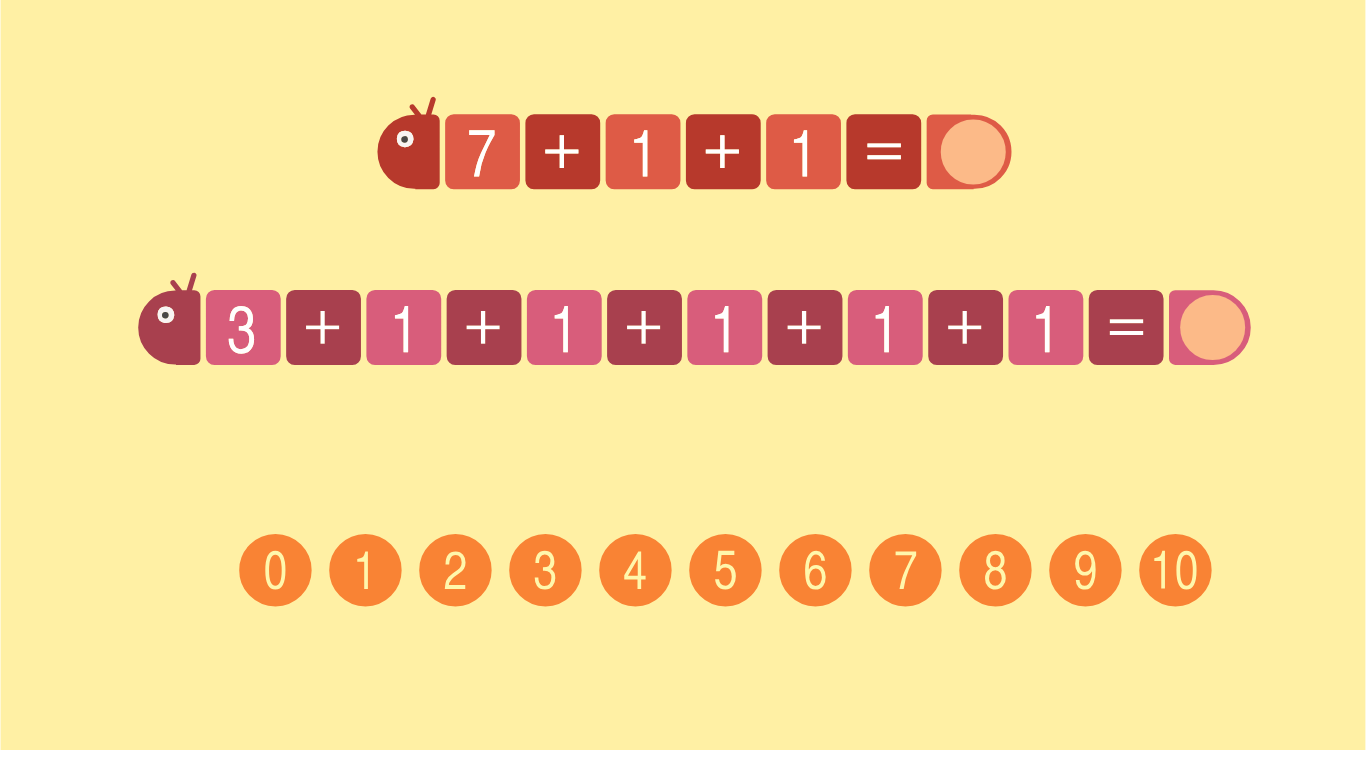
Calculate. Choose the right numbers.
Calculate. Choose the right numbers.
4
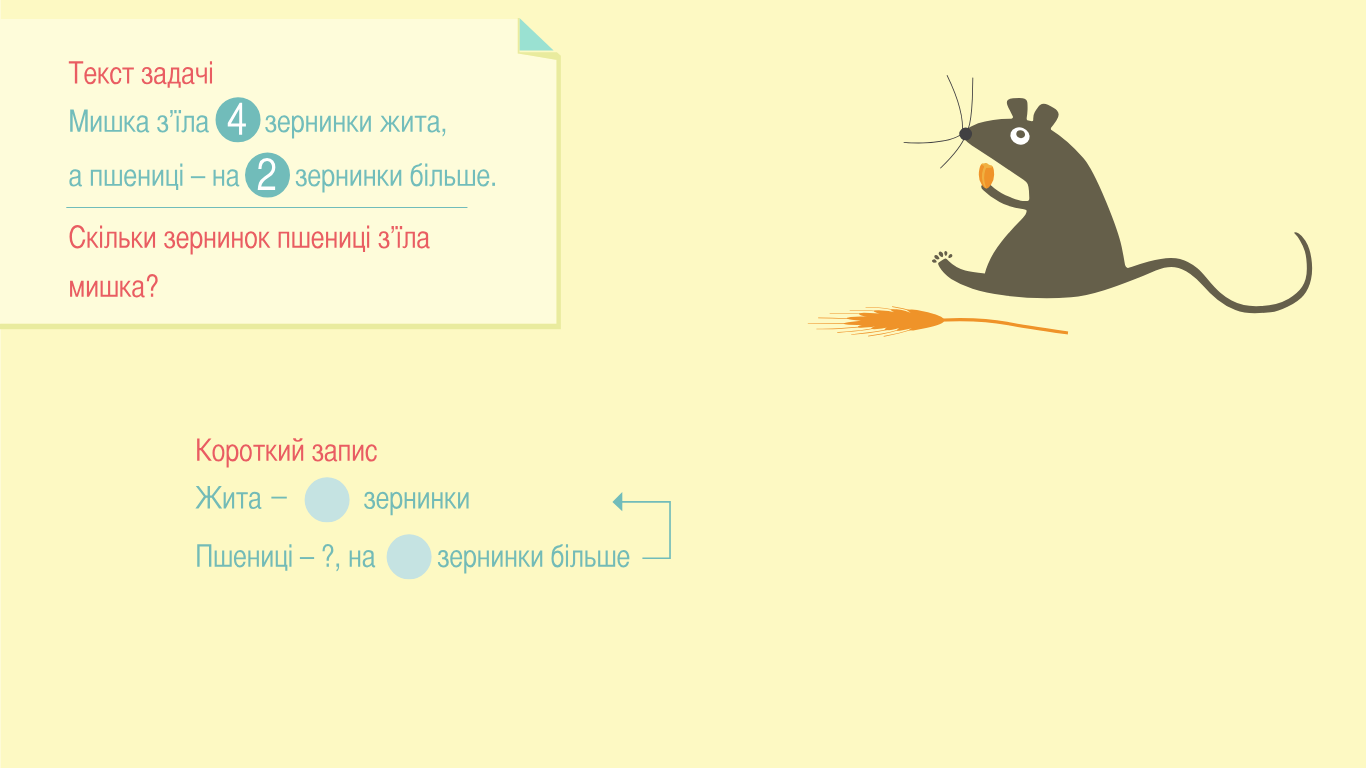
Write a short note and solve the problem.
The mouse ate 4 grains of rye, and wheat -- 2 grains more.
How many grains of wheat did the mouse eat?
Write a short note and solve the problem.
The mouse ate 4 grains of rye, and wheat -- 2 grains more.
How many grains of wheat did the mouse eat?
5
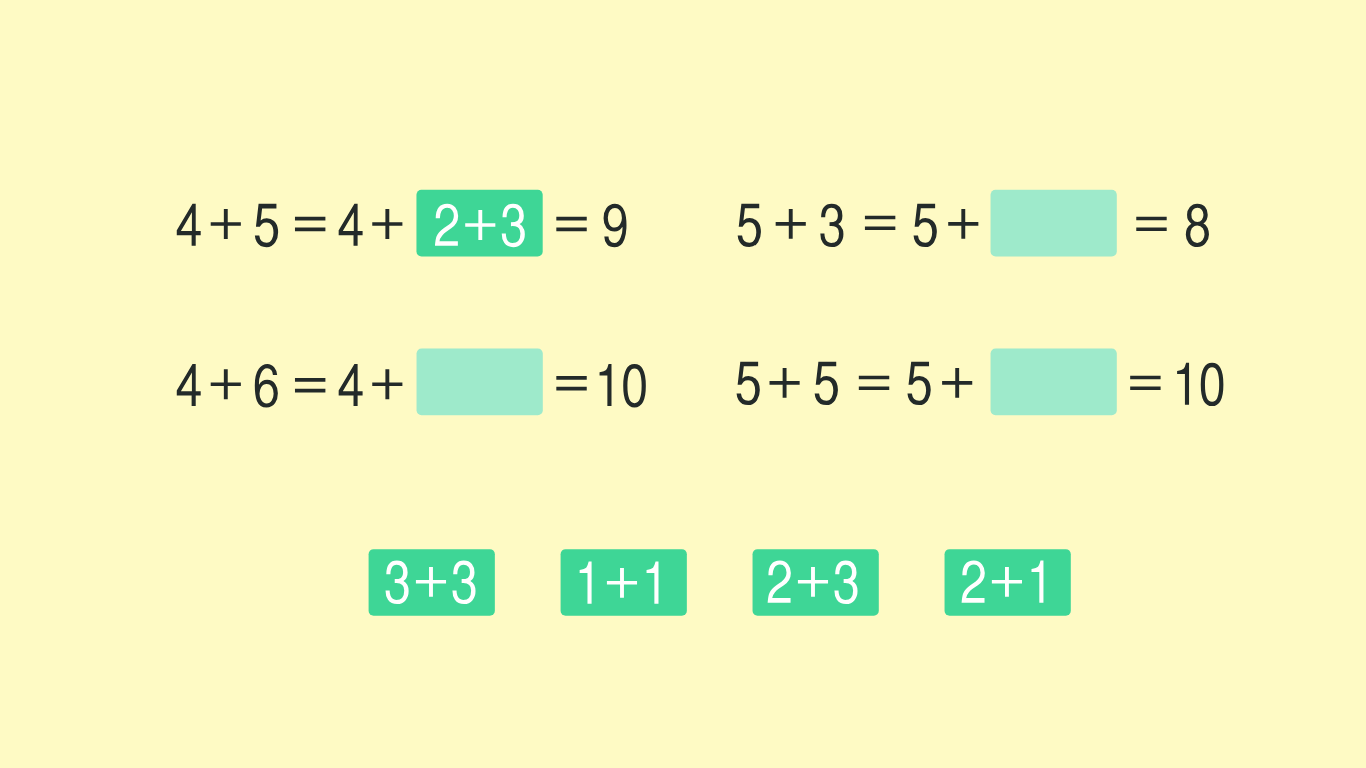
Choose the missing parts by the example.
Choose the missing parts by the example.
6
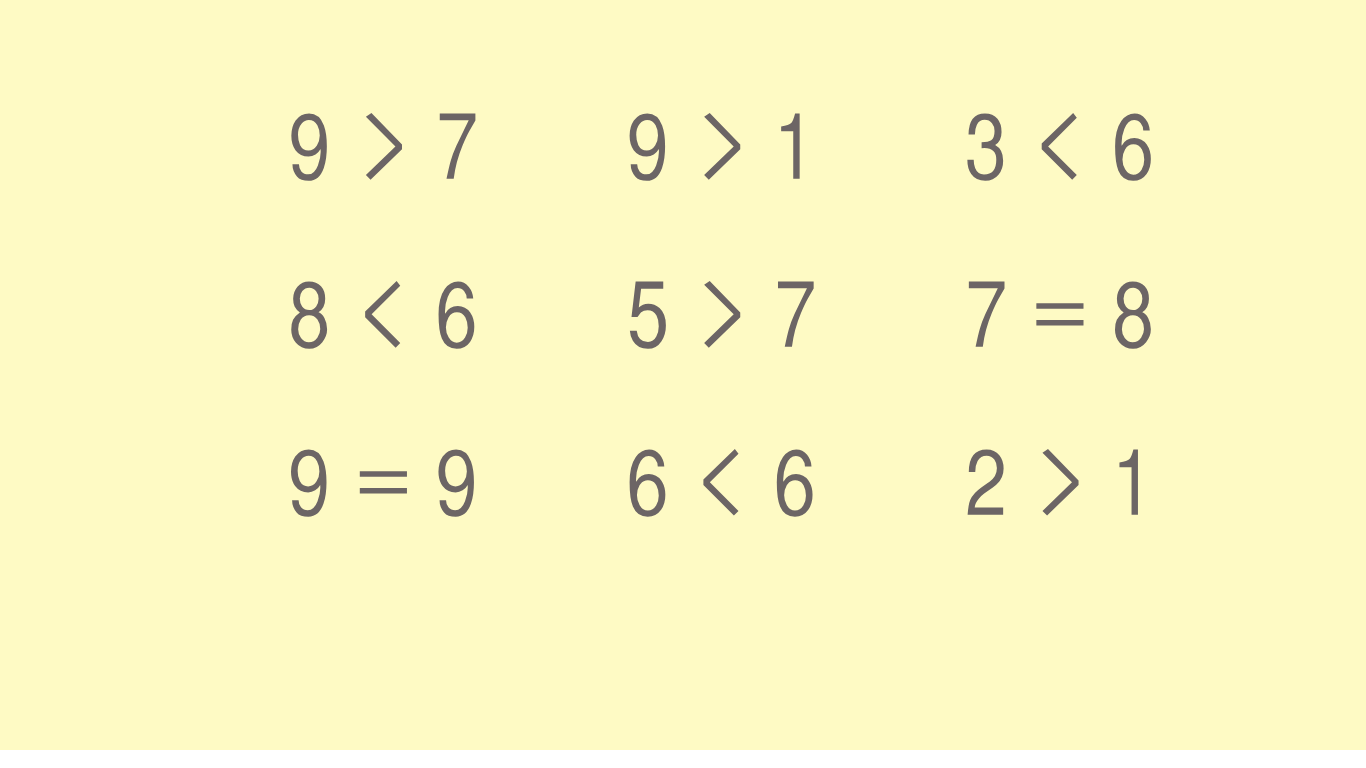
Find the correct inequalities and equalities. Choose them.
Find the correct inequalities and equalities. Choose them.
7
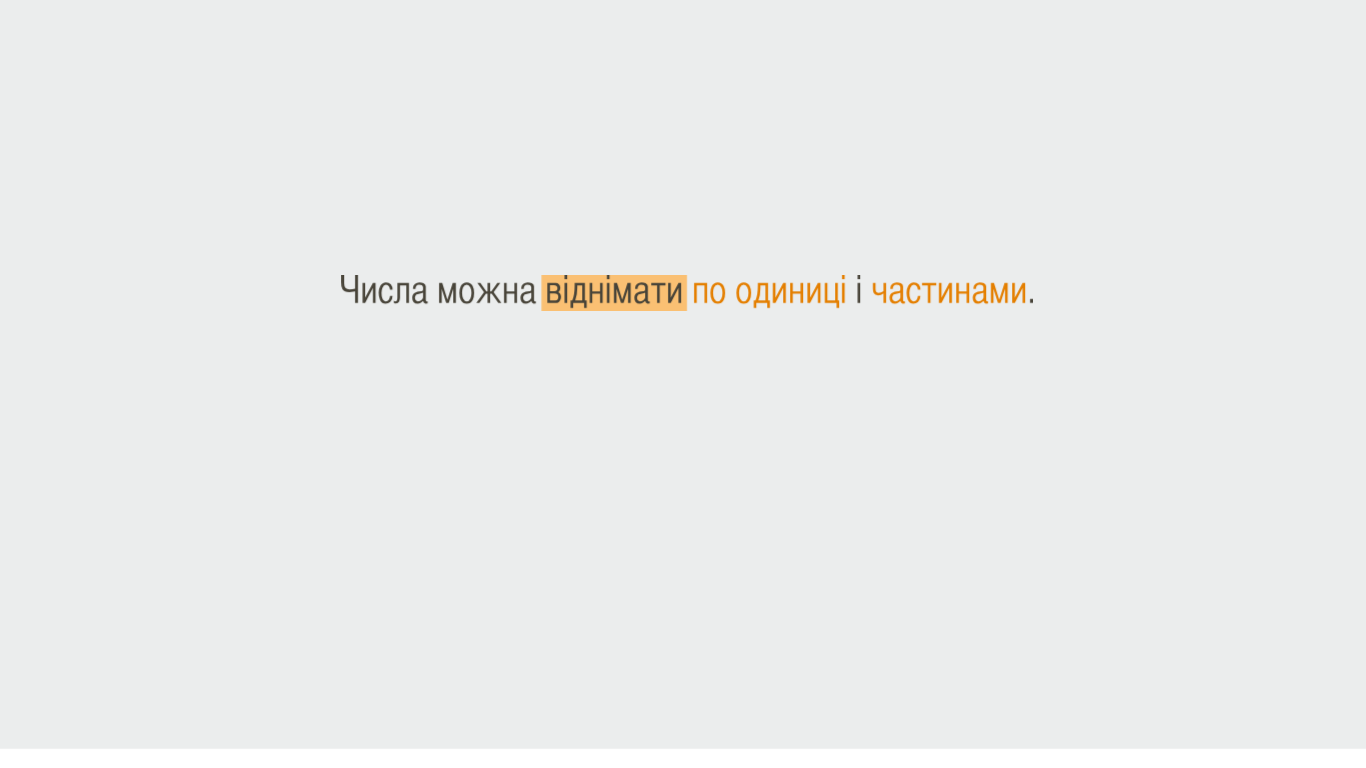
You can subtract numbers by ones and in parts.
For example, let's solve this problem.
There were six buckets of paint near the house.
The painter took four buckets of paint into the house.
How many buckets of paint are left near the house?
First way.
The painter took all four buckets and carried them into the house.
Solution.
Take away four from six, you get two buckets.
Answer – two buckets.
Second way.
The painter carried the buckets one by one.
Solution.
Take away one from six,
take away one,
take away one,
take away one,
you get two buckets.
Answer – two buckets.
Third way.
The painter carried the buckets in parts.
Solution.
Take away two from six,
take away two,
you get two buckets.
Answer – two buckets.
Pay attention!
When we solved the problem,
we subtracted numbers
by ones and in parts
and each time
we got the same result.
Let's do the task together.
Let's calculate the expression
and choose the right number.
Look at the screen.
If you take away three from eight,
you get five.
Take away two from five,
you get three.
So, take away three from eight,
take away two –
you get three.
Drag the right number into the empty box.
Do the next tasks by yourself.
You can subtract numbers by ones and in parts.
For example, let's solve this problem.
There were six buckets of paint near the house.
The painter took four buckets of paint into the house.
How many buckets of paint are left near the house?
First way.
The painter took all four buckets and carried them into the house.
Solution.
Take away four from six, you get two buckets.
Answer – two buckets.
Second way.
The painter carried the buckets one by one.
Solution.
Take away one from six,
take away one,
take away one,
take away one,
you get two buckets.
Answer – two buckets.
Third way.
The painter carried the buckets in parts.
Solution.
Take away two from six,
take away two,
you get two buckets.
Answer – two buckets.
Pay attention!
When we solved the problem,
we subtracted numbers
by ones and in parts
and each time
we got the same result.
Let's do the task together.
Let's calculate the expression
and choose the right number.
Look at the screen.
If you take away three from eight,
you get five.
Take away two from five,
you get three.
So, take away three from eight,
take away two –
you get three.
Drag the right number into the empty box.
Do the next tasks by yourself.
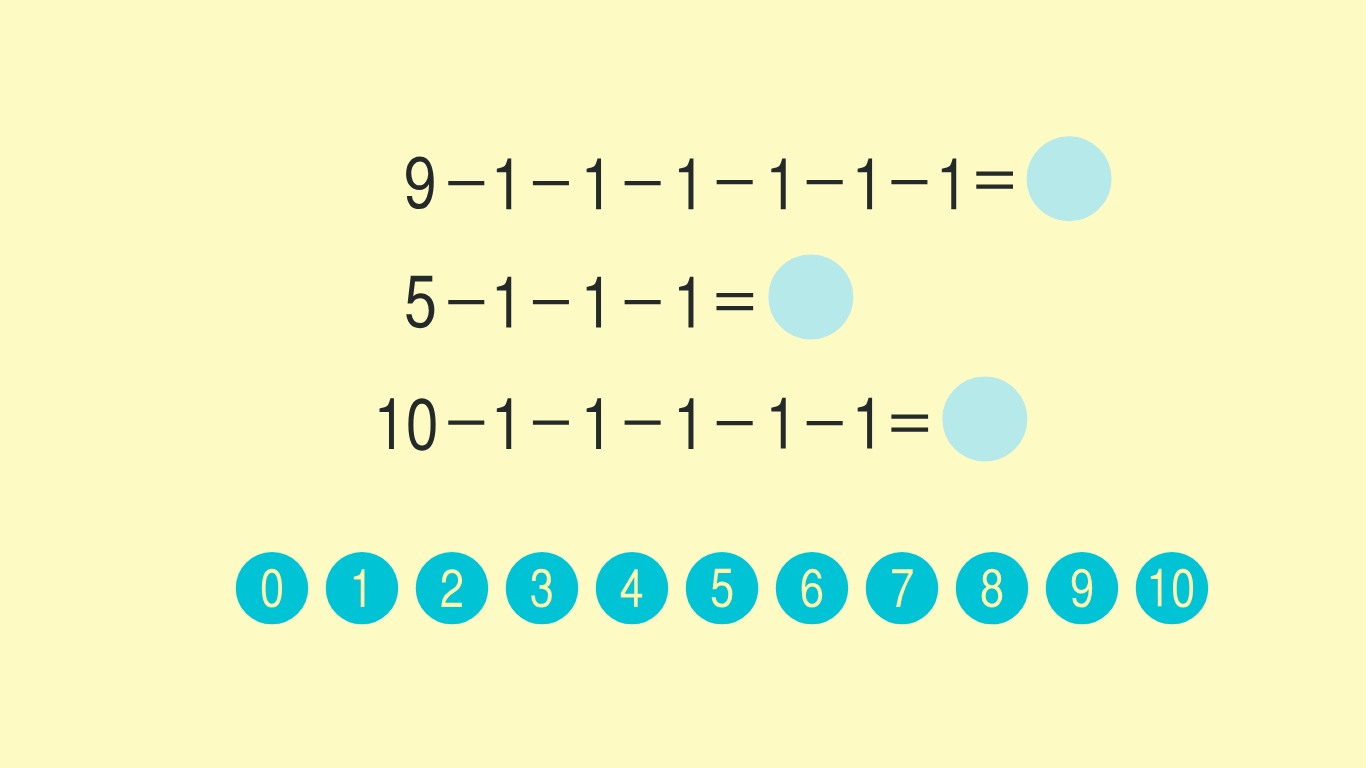
8
Calculate. Choose the right numbers.
Calculate. Choose the right numbers.
9
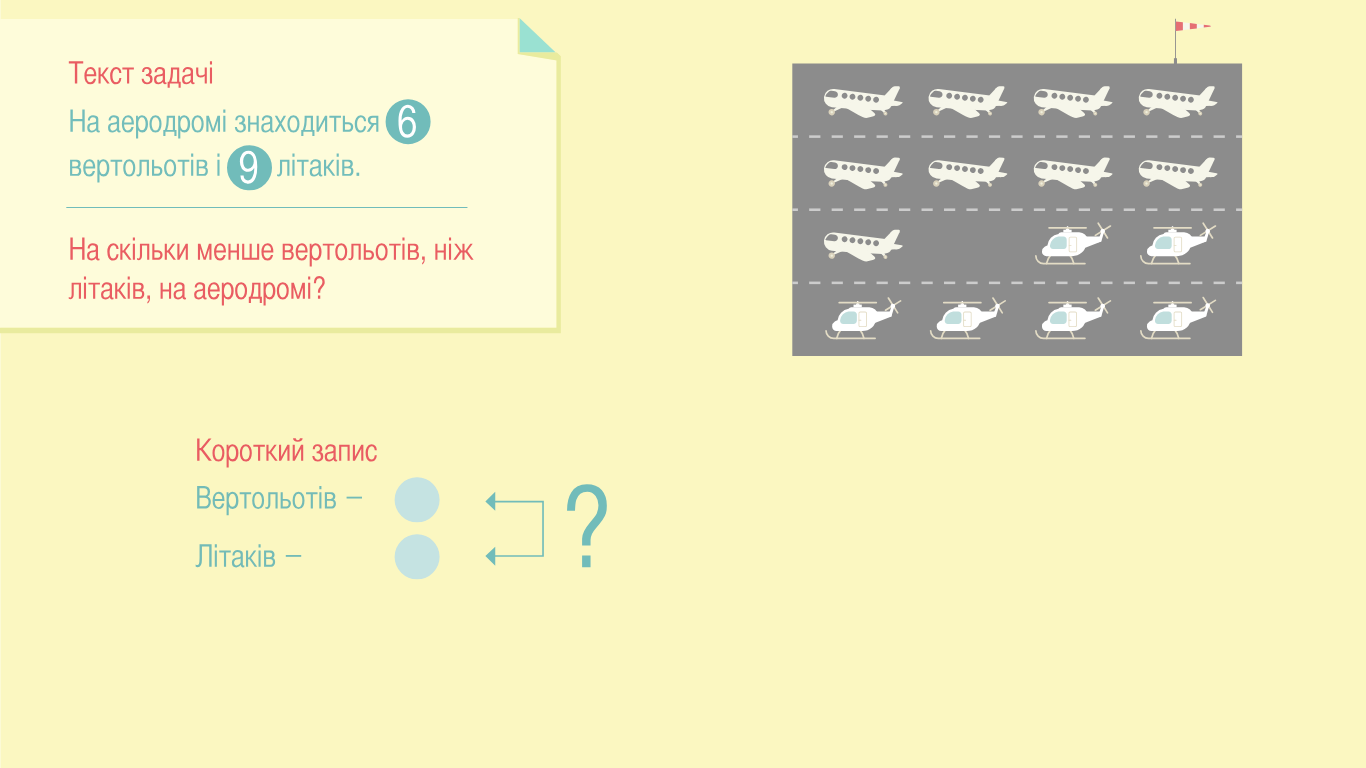
Write a short note and solve the problem.
There are 6 helicopters and 9 airplanes at the airfield.
How many fewer helicopters than airplanes are at the airfield?
Write a short note and solve the problem.
There are 6 helicopters and 9 airplanes at the airfield.
How many fewer helicopters than airplanes are at the airfield?
10
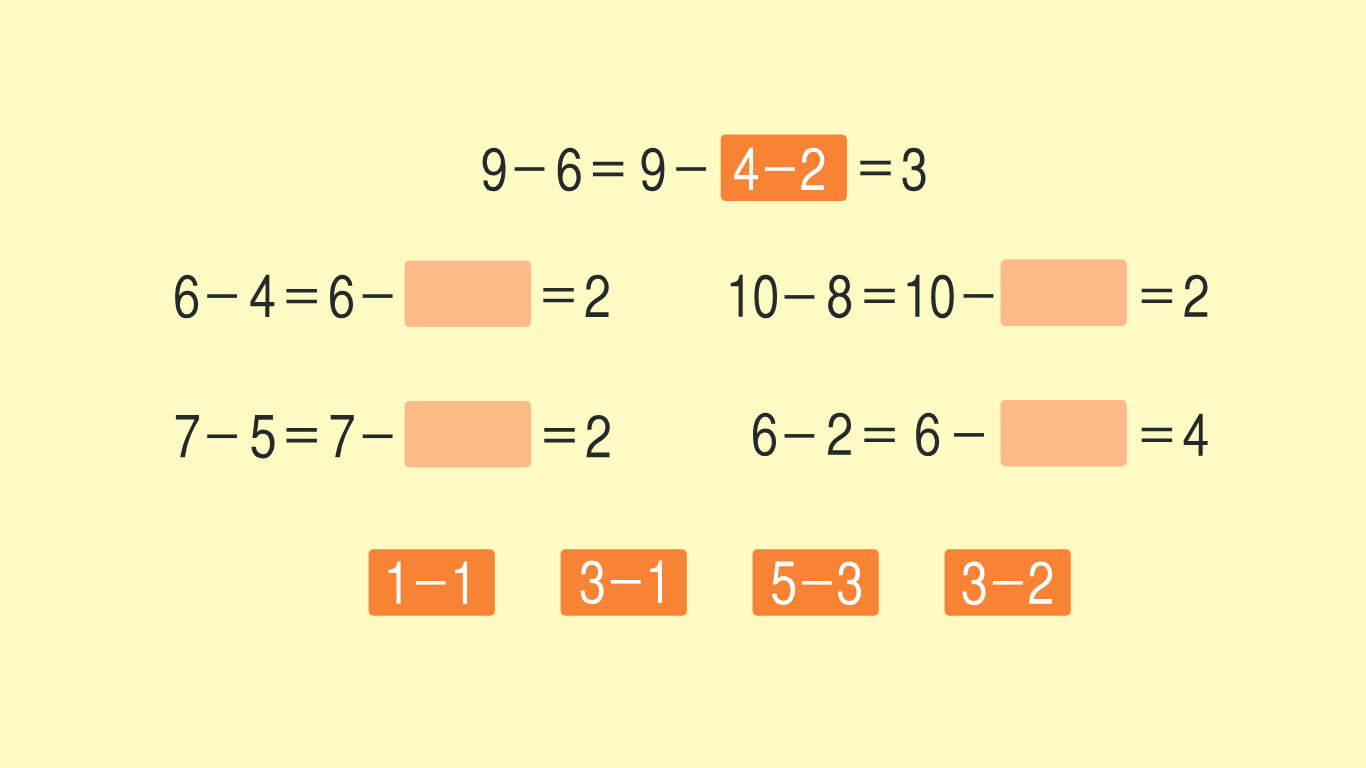
Choose the missing parts by the example.
Choose the missing parts by the example.
11
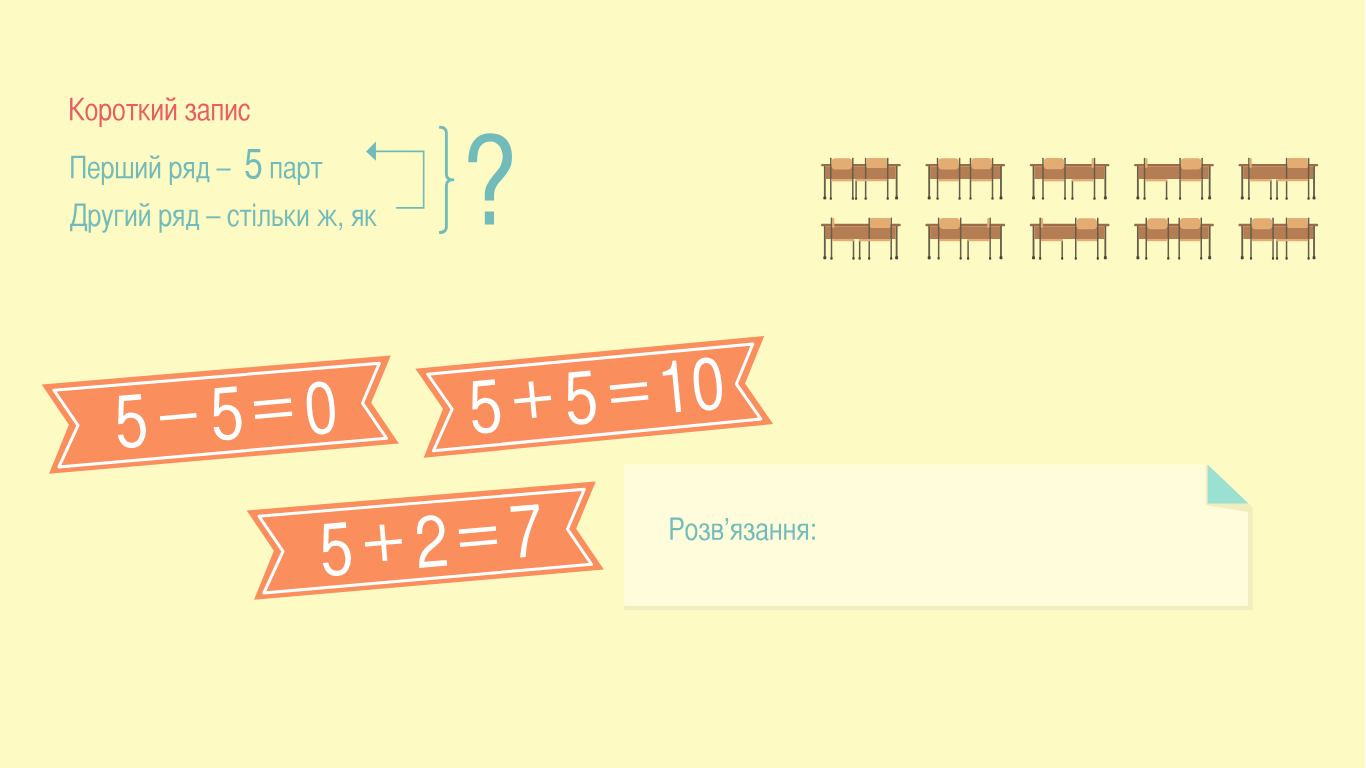
Choose the solution for the problem.
There are two rows of desks in the class.
There are five desks in the first row, and the same in the second row.
How many desks are in two rows?
Choose the solution for the problem.
There are two rows of desks in the class.
There are five desks in the first row, and the same in the second row.
How many desks are in two rows?
12
Choose the addends. Insert the right numbers.
Choose the addends. Insert the right numbers.